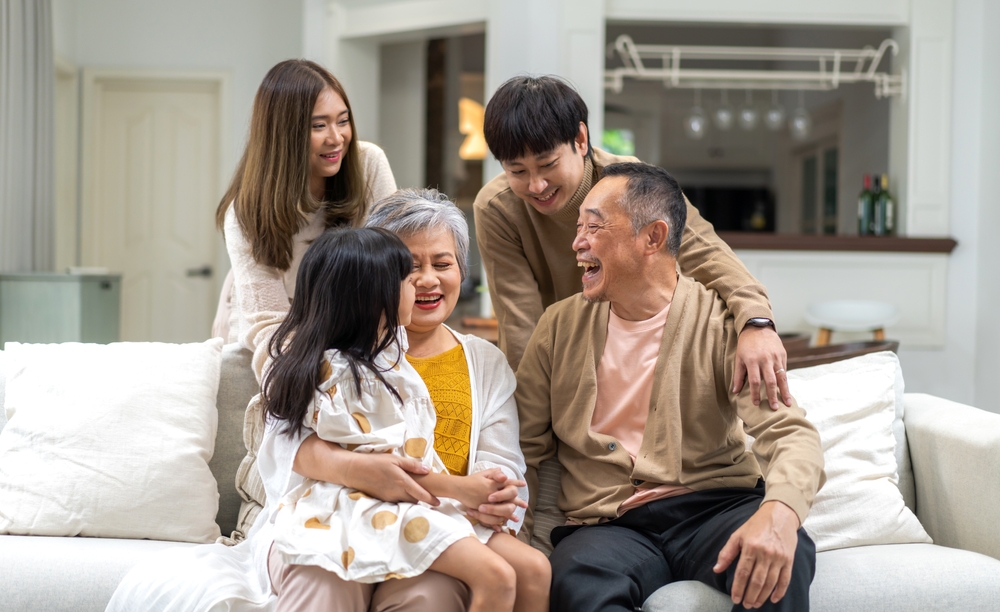
Love Warms at Home

Love Warms at Home Written by: Principal Cheung Jok Fong, Education expert Have you ever heard the theme song “Embrace Love” from a certain TV series? I really like some of the lyrics, which simply yet powerfully convey the essence of “home”: home is a place that “shelters from wind and rain”, your “shield” that will always “open its door” when you are “weary”. The “love” mentioned refers to the familial love that is destined from the moment you were born – a bond thicker than water. Indeed, what could be more important than family love? When you are down on your luck, your family will share your worries, listen to your woes, and accompany you

特別通告

明日(九月六日)將繼續停課。School will remain suspended tomorrow (September 6).

Whose trash is it? The cultivation of children’s character must be achieved through home-school cooperation to be successful

Whose trash is it? The cultivation of children’s character must be achieved through home-school cooperation to be successful Written by: Mr. Cheung Wai Ching, Principal There are two scenes in front of us: Scene One: On a bustling street, a little boy walking with his parents notices a discarded soda can at his feet. He picks up the can, intending to throw it into a nearby trash bin. However, his mother sees this and demands that he throw the can away, but the boy refuses. Then, his father comes over and scolds him, “Idiot, how can you pick up such dirty things? You’re not a street cleaner!” The little boy responds, “The teacher said we should

How to deal with a bad temper?

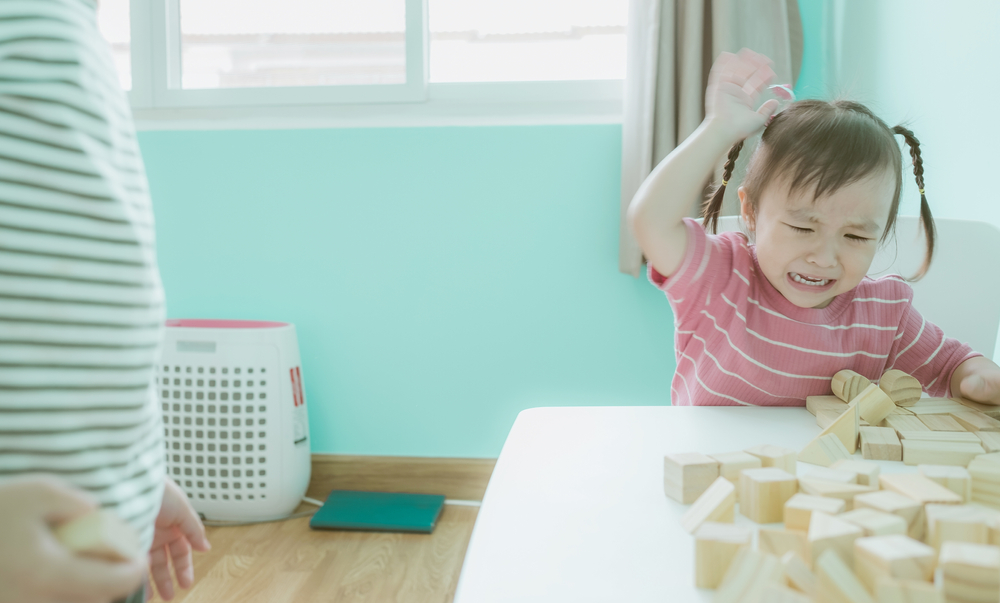
How to deal with a bad temper? Firstly, we must understand that it is extremely important for children to be able to express the emotion of anger for their development of autonomy. During early childhood (around two to three years old), the developmental crisis is precisely ‘development of autonomy’ versus ‘shame and doubt’ (Autonomy vs. Shame & Doubt). What we should address is the behavior resulting from the child’s emotions, not to prohibit or even negate the child’s emotions. Additionally, anger is a common emotion, experienced by both children and parents. When children attempt to express their anger, they often model their parents’ behavior. If parents display anger towards their children, or if there is arguing